
Gathering Spaces Designed Around Open Flames
Fire Feature Installation in Greer for properties adding fireplaces or fire pits to outdoor living areas
Outdoor fire features fail when installers don't account for wind patterns, seating proximity, or fuel source requirements—problems that show up the first time you try to use the space. Carolina Cobblestones & Pools installs fireplaces and fire pits in Greer with surrounds built from pavers, brick, travertine, or concrete, selected based on heat exposure and the finished look you're aiming for. These installations include proper venting for fireplaces, gas line connections for controlled flames, or fire-rated materials for wood-burning designs.
A functional fire feature involves more than stacking stones around a flame source—it requires a non-combustible base, clearances from structures and vegetation, and materials that won't crack or discolor under sustained heat. The design determines how smoke disperses, where seating works comfortably, and whether the feature integrates with existing patios or stands as a focal point.
Arrange an on-site consultation to evaluate placement options and fuel source access for your fire feature.
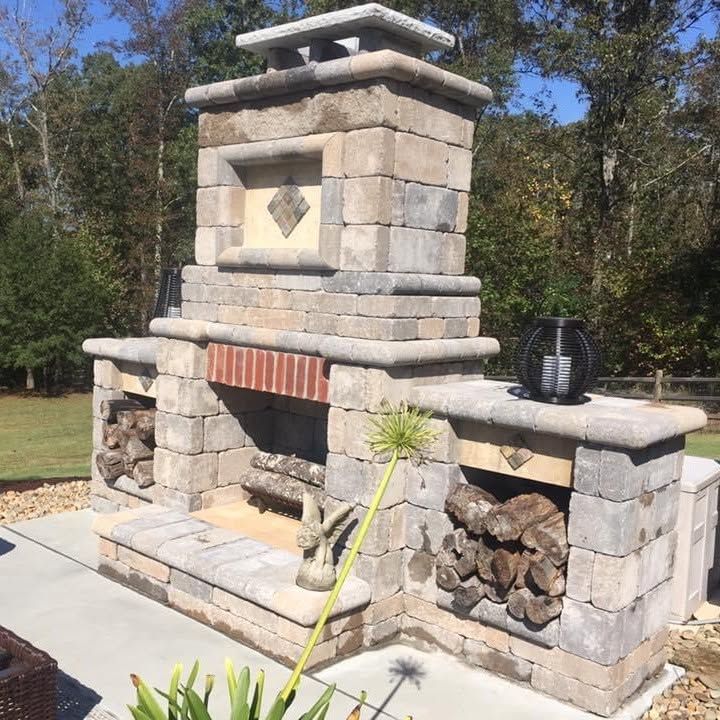
How Fire Features Address Entertainment and Comfort Needs
Installation begins with excavation for a reinforced base that supports the weight of masonry materials and withstands ground movement from freeze-thaw cycles. Gas lines are positioned to connect to burners or log sets before any stone or brick goes into place, and the surrounding hardscape is graded to direct water away from the fire pit or fireplace base. Wood-burning designs require adequate air intake and clearance from overhangs, while gas-fed features need shut-off valves and regulators installed to code.
After installation, you'll have a defined gathering area with seating arranged at a comfortable distance from the flames, and the fire burns consistently without excessive smoke blowing into sitting areas. The hardscape surround remains stable, with no cracking or settling around the fire bowl or firebox, and controls operate smoothly for gas-fed systems. The feature creates usable outdoor space during cooler months and extends the season for evening entertaining.
Custom fire features range from simple in-ground fire pits with paver seating walls to full outdoor fireplaces with mantels and hearths built from natural stone. Entertaining-focused designs include integrated seating, ledges for drinks, and lighting that makes the space functional after dark. Material choices affect both durability and appearance, with brick and stone offering traditional looks while modern concrete finishes provide clean lines and custom color options.
Answers to Frequent Service Questions
Homeowners planning fire features often ask about placement, fuel options, and what to expect from the installation process.
What determines the best location for a fire pit or fireplace?
Placement depends on wind patterns, distance from structures, and how the feature integrates with existing patios or seating areas. Prevailing winds in Greer typically come from the southwest, so positioning the fire feature with seating on the northeast side keeps smoke away from guests most of the time.
How do gas-fed fire features differ from wood-burning designs?
Gas features ignite instantly with a valve or switch, burn cleanly without smoke or ash, and allow precise flame control. Wood-burning fire pits require ventilation, create more radiant heat, and involve ongoing fuel management, but some homeowners prefer the traditional experience and crackling sounds.
What materials hold up best around direct flame exposure?
Firebrick and certain natural stones withstand high temperatures without cracking, while standard pavers can spall if placed too close to intense heat. The inner fire ring or firebox uses refractory materials rated for sustained flame contact, and the surrounding hardscape is positioned far enough out to avoid thermal stress.
When is the best time to install a fire feature?
Fall installation allows you to use the feature immediately as temperatures drop, and cooler weather makes masonry work more predictable. Spring installation prepares the space for the following season, though you'll wait months before needing the fire feature regularly.
How is the surround designed to handle seating and traffic?
Paver or stone surrounds extend outward from the fire pit to create a defined area that accommodates chairs, built-in benches, or seating walls. The surface remains level to prevent tripping hazards, and the layout includes pathways that don't require walking directly past the flames to reach seating.
Carolina Cobblestones & Pools evaluates site conditions, fuel access, and design preferences to build fire features that function safely and integrate with your outdoor living space. Request an estimate to discuss materials and layout options for your property in Greer.