
Hardscape Systems That Define Outdoor Spaces
Custom Hardscaping in Greer for properties integrating walkways, walls, and functional outdoor areas
Comprehensive hardscape design in Greer starts with understanding how different outdoor areas connect—how pathways lead from driveways to entries, how patios relate to pool decks, and where retaining walls become necessary to manage slope. Carolina Cobblestones & Pools approaches custom hardscaping as a system rather than isolated projects, using premium pavers, brick installations, travertine, and decorative concrete work that creates functional transitions between spaces while addressing drainage and structural requirements. The material palette stays consistent across features to unify the design, or intentionally varies to define distinct zones for cooking, lounging, and circulation.
Hardscape installations involve excavation, base preparation, and grading that affects the entire property's drainage pattern. Each element—walkways, walls, patios, steps—must account for how water moves across the site and where it ultimately drains. Materials are selected based on their role: high-traffic areas need durable surfaces that resist wear, decorative borders allow for more delicate materials, and vertical elements require structural integrity to retain soil or support elevated planters.
Schedule a property evaluation to discuss how hardscaping can address specific circulation, drainage, or space definition needs on your site.
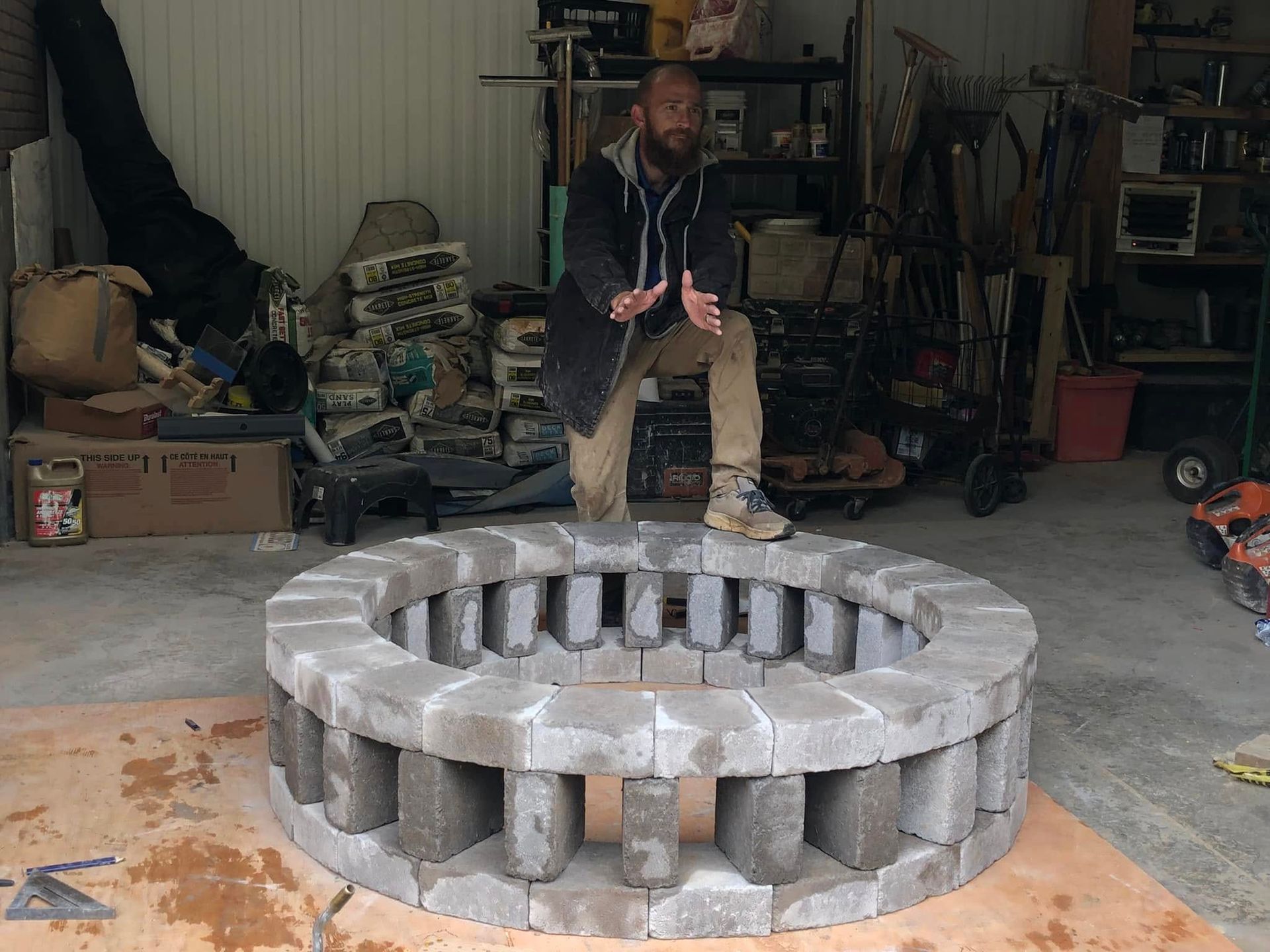
What Comprehensive Hardscape Design Accomplishes
The design process begins with site analysis—existing slopes, soil conditions, drainage patterns, and how you currently move through outdoor spaces. Hardscape plans integrate multiple features into a cohesive layout where pathways connect functional areas, walls retain soil or create level terraces, and surfaces transition logically from one material or elevation to another. Premium pavers and natural stone installations provide durability in high-use areas, while decorative concrete allows for custom colors and textures that match architectural styles or landscape themes.
Once hardscaping is complete, your property has defined zones for specific activities, clear pathways that don't route foot traffic across planting beds, and drainage that directs water away from structures and usable outdoor areas. Walls remain plumb and stable without leaning or cracking, surfaces stay level without settling, and the visual flow between materials creates intentional transitions rather than abrupt changes. The investment adds functional outdoor living space and reduces ongoing maintenance by eliminating erosion-prone slopes and poorly defined edges.
Brick installations offer traditional warmth and can be laid in patterns that add visual interest to large expanses, while travertine provides a cool surface for barefoot areas and handles moisture without becoming slippery. Concrete work includes stamped finishes that mimic natural stone, stained surfaces for color variation, and exposed aggregate for texture and slip resistance. The combination of materials lets you balance budget, aesthetics, and performance across different areas of the property.
What Homeowners Typically Want to Know
Questions about custom hardscaping usually focus on design integration, material selection, and how to phase larger projects.
What makes hardscaping comprehensive rather than just adding a patio?
Comprehensive design treats outdoor spaces as connected zones with intentional circulation paths, consistent drainage solutions, and material choices that create visual continuity. It addresses how people move through the property, where water flows during storms, and how vertical and horizontal surfaces work together structurally and aesthetically.
How do you choose materials for different hardscape elements?
Material selection depends on the element's function—high-traffic walkways need durable pavers or textured concrete, decorative borders can use more delicate stone, and walls require materials with structural integrity. Climate exposure matters too, with sealed travertine handling freeze-thaw cycles better when protected from standing water.
What site conditions affect hardscape design in Greer?
Clay soils common in the region require deeper excavation and better drainage provisions to prevent water from softening bases and causing settlement. Sloped properties often need retaining walls or terracing to create level usable space, and the design must account for where water naturally drains during heavy rain.
When should custom hardscaping be installed relative to other outdoor projects?
Hardscaping typically comes before landscaping since excavation and grading affect planting bed elevations and drainage patterns. If pool installation is planned, coordinating hardscape and pool construction allows for integrated coping, decking, and transitions that look intentional rather than added later.
How can large hardscape projects be phased over time?
Phasing works best when the overall design is completed first, then implemented in functional sections—starting with primary pathways and patios, adding walls and steps in a second phase, and finishing with decorative borders or secondary seating areas. Each phase is built to final grade so later additions integrate seamlessly.
Carolina Cobblestones & Pools develops hardscape designs that address your property's specific topography, drainage challenges, and how you want to use outdoor spaces. Arrange a consultation to review comprehensive options that integrate multiple features into a functional, visually unified plan for your property in Greer.